Network Security and HIPAA Compliance for Healthcare
In the healthcare industry, network efficiency and security are crucial for maintaining patient well-being. Plixer’s solutions offer the visibility and compliance assurance needed to provide optimal care in healthcare settings.
Benefits of Network Visibility for Healthcare Providers
Network visibility gives healthcare teams direct insight into how systems behave under normal and abnormal conditions. Instead of reacting after disruptions occur, teams can observe changes as they happen and act with context.
Reduced Risk to Patient Safety
Visibility into network behavior helps teams detect issues affecting clinical systems before they interrupt care delivery. This includes identifying abnormal traffic patterns tied to EHR access, imaging systems, or bedside equipment.
Faster Incident Investigation
When problems arise, teams can trace activity across systems without stitching together data from multiple tools. This shortens the time required to identify root causes and restore affected services.
Better Control Over Complex Environments
Healthcare networks include legacy systems, specialized devices, and modern platforms operating together. Visibility shows how these components interact, helping teams manage change without introducing instability.
Stronger Protection of Sensitive Data
Understanding how data moves across the environment makes it easier to spot unexpected access paths or data transfers. This supports tighter controls around patient information and limits exposure during security incidents.
Plixer’s Capabilities for Healthcare Network Visibility
Modern healthcare depends on technology that must work securely and without interruption. From patient-facing systems to behind-the-scenes infrastructure, visibility into the network plays a direct role in patient safety, operational efficiency, and regulatory compliance.
Visibility
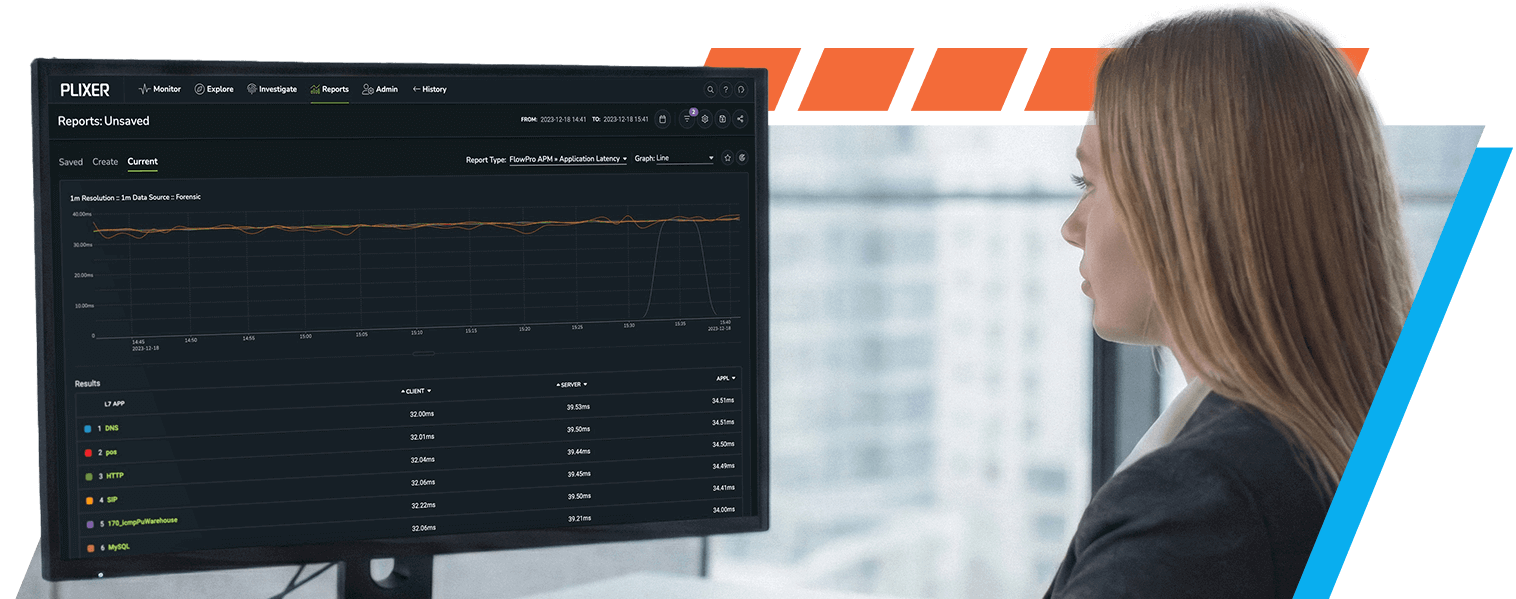
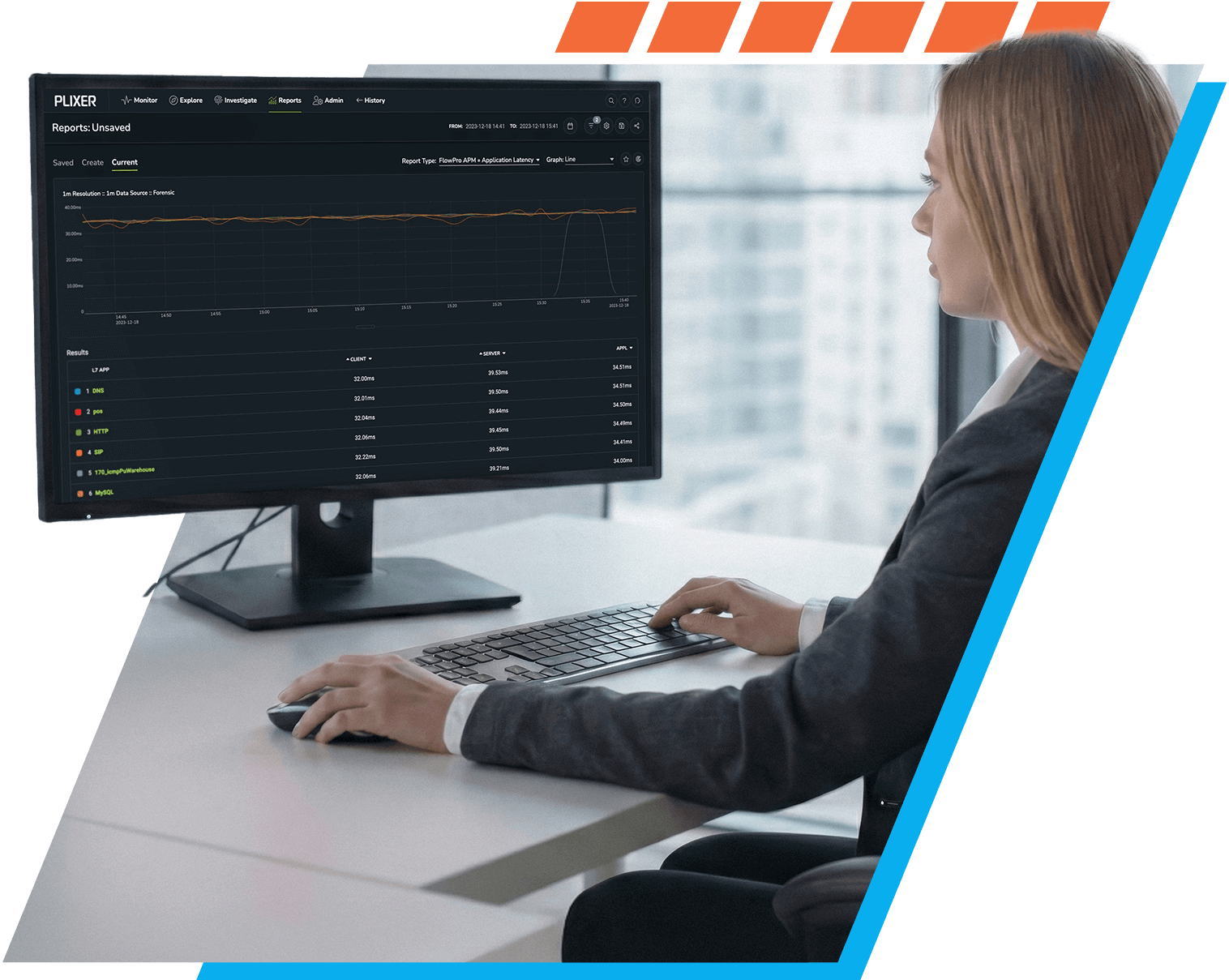
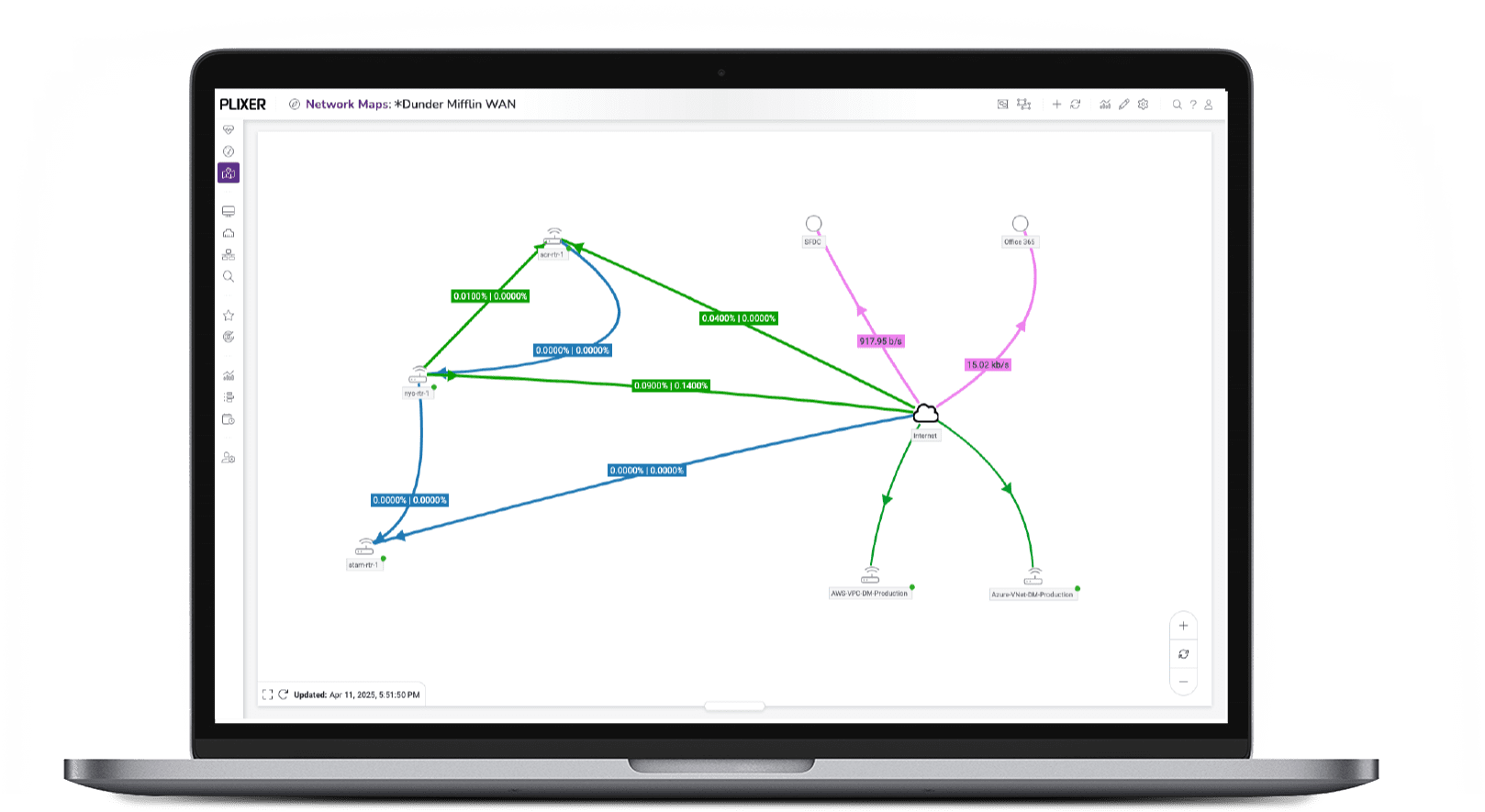
Visibility into the healthcare network reveals how systems, applications, and equipment communicate throughout daily operations. Plixer surfaces network traffic patterns so teams can trace activity across departments, facilities, and services without relying on guesswork.
Security
Healthcare environments face constant exposure to cyber threats that target systems holding sensitive data. By showing how traffic behaves under normal conditions, Plixer helps teams recognize deviations that warrant investigation, including ransomware propagation or unauthorized lateral movement, before incidents escalate into larger disruptions.
Ransomware Detection for Healthcare Networks
Ransomware attacks in healthcare often begin with subtle changes in network behavior and spread rapidly across clinical systems, disrupting care delivery and operations. Plixer applies machine learning to network traffic to detect abnormal behavior associated with emerging ransomware activity, while also classifying traffic patterns linked to known ransomware families.
This approach gives healthcare security teams earlier visibility into ransomware-related activity, along with clear network context to investigate how systems are communicating, assess potential impact, and respond before clinical workflows are disrupted.
Compliance Assurance
Healthcare regulations require clear evidence of control and accountability. Visibility into system communication and access patterns helps teams verify policy enforcement and identify gaps that could introduce compliance risk.
Predictive Planning
Historical insight into usage trends helps teams prepare for change. Plixer supports informed decisions around capacity planning, infrastructure upgrades, and technology adoption without disrupting patient care.
Anomaly Detection
Unexpected behavior inside clinical systems or supporting infrastructure can signal operational or security issues. Early detection of anomalies highlights unauthorized activity, misconfigurations, and emerging ransomware behavior. By combining behavioral analysis with machine learning classification of known ransomware families, Plixer gives healthcare security teams earlier visibility into both new and established threats before clinical workflows are affected.
Device Discovery and Risk Scoring
Hospitals and clinics depend on specialized equipment that often operates outside traditional IT controls. Visibility into each connected device allows teams to understand device behavior, assess exposure, and manage risk without interfering with care delivery.
Cloud Visibility and Detection
As telehealth and digital platforms expand, cloud systems become part of everyday care delivery. Plixer provides visibility into cloud activity so teams can track how services interact across environments and maintain oversight as architectures evolve.
Policy Validation and Compliance
Consistent enforcement of access and security policies depends on knowing how systems actually behave. Healthcare visibility into network activity allows teams to identify policy violations tied to unreported changes or unauthorized connections.
Need Help Deciding?
Reach out to our team of experts. Our goal is to help you find the best solution for your IT challenges.
Schedule a Demo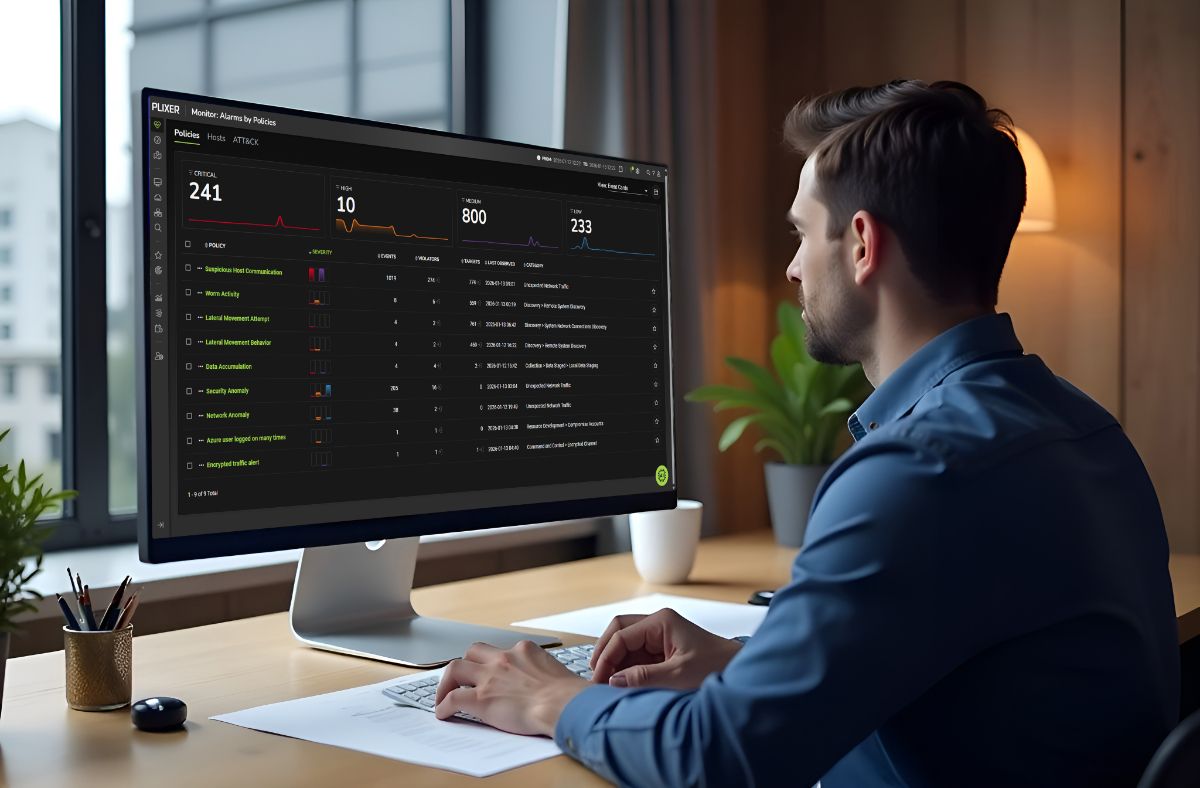
What to expect
Buying technology is often complicated and exhausting. We like to make it easy and straightforward. Here’s what to expect from our process:
We’re here for you throughout the process and want to make this as smooth and as thorough as possible.
FAQs: Network Visibility for Healthcare Organizations
Why does network visibility matter in healthcare environments?
Healthcare systems support time-sensitive services where delays or failures can affect patient outcomes. Network visibility allows teams to observe system behavior across the environment, identify issues earlier, and reduce the time required to understand what is happening during an incident.
How does network visibility protect patient data?
By examining how systems communicate, teams can identify unexpected access paths or abnormal data movement involving patient information. This insight supports stronger data security by exposing risks that may not appear through endpoint tools alone.
Can network visibility help during system outages or slowdowns?
Yes. Visibility into traffic behavior helps teams isolate where performance degradation begins and which systems are affected. This shortens investigations tied to network performance issues and reduces service disruption.
How does visibility support clinical operations?
Clinical workflows depend on consistent access to records, imaging, and communication systems. Understanding how these systems interact allows teams to resolve issues quickly and reduce disruptions during care delivery.
Who typically uses network visibility tools in healthcare?
Security teams, infrastructure teams, and IT operations staff all rely on visibility to perform their roles. Shared insight across the organization helps teams coordinate responses and maintain stable operations during both routine and high-pressure situations.
How does network visibility help detect ransomware in healthcare environments?
Ransomware often spreads by moving laterally across systems and communicating in abnormal ways. Network visibility allows healthcare teams to detect unusual traffic patterns and, using machine learning, identify activity associated with known ransomware families. This supports earlier investigation and response before ransomware impacts clinical operations.